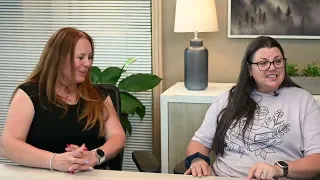
Episode 26 - Home Buyer Success Story: Kristina and the Multi Generational Strategy
For many Utah first-time homebuyers, the biggest obstacle may not be finding the perfect house. It may be believing that buying a home is possible in the first place.
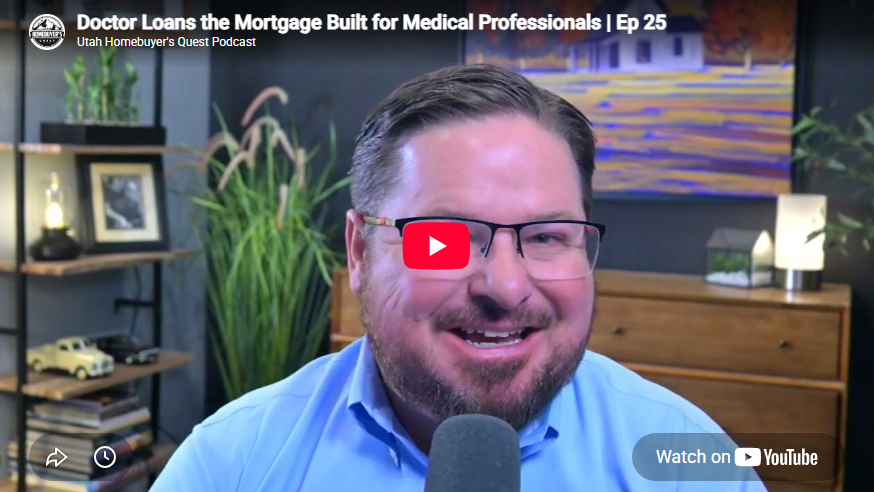
Episode 25 - Doctor Loans the Mortgage Built for Medical Professionals
Physician loans in Utah can give doctors and other eligible medical professionals more flexibility when buying a home. These programs are designed for borrowers whose student loan debt, employment structure, or limited savings may not fit neatly within traditional mortgage guidelines.

Episode 24 - June is the Month to Get Ready for Grants
If you're hoping to buy a home this year, June may be the most important month on your calendar. Many Utah down payment assistance programs receive new funding on July 1, and some run out faster than you might expect. In this episode, Nelson explains how these programs work, who may qualify, common mistakes buyers make, and why getting prepared now could save you thousands of dollars and help you buy a home sooner.

Episode 23 - How to Get YOUR Best Interest Rate!
The Interest rate you get is a pretty big deal. In this episode, Nelson explains how YOUR rate is determined. It’s not just about choosing the right lender – it’s about your credit score, your down payment, your closing costs and your time horizon….so many factors to understand! In this episode, Nelson will help you make sense of it all so you know your options when it comes time to lock your rate!

Episode 22 - VOLATILITY! How and Why Interest Rate Change.
Markets have been pretty VOLATILE lately and so have mortgage rates! Have you ever wondered what causes rates to go up and down, and what you can do to protect yourself when you’re buying a home? In this Episode, nelson explains the best ways to follow the market, and how and when you can lock in your interest rate.

Episode 21 - 3 Tips for Working with Builders!
In this episode, Nelson has 3 quick tips to help you succeed when working with a builder. Builders and their agents and lender’s don’t always have the buyer’s best interests at heart – and this episode will help you protect yourself!

Episode 20 - Should You Build New or Buy an Existing Home?
Is it smarter to buy an existing home or build a new one? Which is a better investment? In this episode, Nelson helps you understand the pros and cons of each option. From lifestyle differences to financing considerations, Nelson helps you understand your choices and make an educated decision as you shop for your new home.

Episode 19 - The Government Wants to….HELP?
In this episode, Nelson unpacks the MANY new proposals that have come from the Trump administration and others as they try to drive down the cost of home ownership for Americans. Some of these proposals may never actually happen, and others are already in full swing! Are you curious if the 50-year mortgage will ever become common in our industry? Are you wondering if the ban on institutional investors buying single-family homes is really going to happen? Are you curious if you’ll be able to take money from your 401(k) for down payment on a home in the future? Would you like to know if these programs will help you, or possibly hurt you in the future? Tune in to hear these proposals and more explained and examined by a local expert.

Episode 18 - Is Fear of Commitment Keeping you from Buying a Home?
In this episode Nelson compares the risks and benefits of homeownership to renting. Isn't it also a commitment to sign a lease? Are you ready in every way to buy a home but fear is still holding you back? This episode is for you!

Episode 17 - How to Win in a Multiple Offer Situation
The best houses in our market sell quickly, and often there are multiple buyers competing for the same house. In this episode, Nelson shares many tips to help you compete and win against other buyers for our dream home!

Episode 16 - Don’t Kill Your Deal!
Sometimes a mortgage pre-approval can be a fragile thing. In this episode Nelson gives you the Do's and Don'ts to keep you from the disaster scenario that could happen if your financing falls through on a home purchase!

Episode 15 - Good vs. Bad Pre-Approvals…Be Careful!
In this episode, Nelson walks you through a typical pre-approval process at Utah Independent Mortgage Corp. You'll see the level of professionalism and diligence that is required for a solid, reliable pre-approval. Nelson also shares the real risks and costs of relying on a flimsy pre-approval.

Episode 14 - Why I Believe 1% Down is the PERFECT RECIPE For First Time Buyers
Nelson explains 7 reasons he believes the conventional 1% down program from our lending partner UWM is the best way for first-time buyers to finance their home. Listen to learn how this program can help you avoid excessive fees, get a lower payment, and preserve your refinance options for the future.

Episode 13 - Is Mortgage Insurance Good or Bad?
Trick question: Is Mortgage Insurance Good or Bad? Mortgage insurance can be very good because it helps us buy a home with less than 20% down payment, but it can be bad if you're not careful. Many buyers are wasting thousands of dollars on up-front mortgage insurance or monthly mortgage insurance, all because they didn't know that this piece of the loan is a great place to focus for savings! In this episodes Nelson lays out some rules of thumb designed to help you make the right decisions around mortgage insurance.

Episode 12 - Low Rates or Low Fees? What’s More Important?
In this episode, Nelson focuses on the decision that each buyer must make when they lock their loan. Should I go for a lower rate, or lower fees. Is it possible to get both? Nelson explains how many buyers who intend to refinance in the near future are wasting thousands of dollars by focusing only on the interest rate.

Episode 11 - Temporary 2/1 Buydowns are “All The Rage”
In this episode Nelson explains the very popular 2/1 (Temporary) interest rate buydown and compares it to the concept of a permanent buydown, also known as paying points. These are powerful options to reduce your monthly payment and make home-ownership more affordable for first-time buyers and those looking to move up to their next home, but which one is right for you? Listen to this episode for some wise advice for structuring your best possible mortgage option!

Episode 10 - Self Employed? 5 Tips to Help You Get Approved
Self-employed in Utah and buying a home? Learn 5 lender-ready tips on income averaging, add-backs, depreciation, business debts, and non-QM options to qualify.

Episode 9 - The Difference Between a Broker & a Lender
Learn the difference between mortgage brokers and lenders in Utah. Discover how working with a broker can save you time, money, and stress when buying a home.

Episode 8 - How to Fix Ugly Credit
Learn how to fix bad credit fast and qualify for a home loan in Utah. Discover simple, mid-level, and complex credit repair tips and qualify quicker.

Episode 7 - 25 Down Payment Assistance Options for Utah Homebuyers
25 ways Utah homebuyers can find a down payment—savings, gifts, grants, assistance, and smart loans. Clear steps to buy sooner. Schedule a free consult.